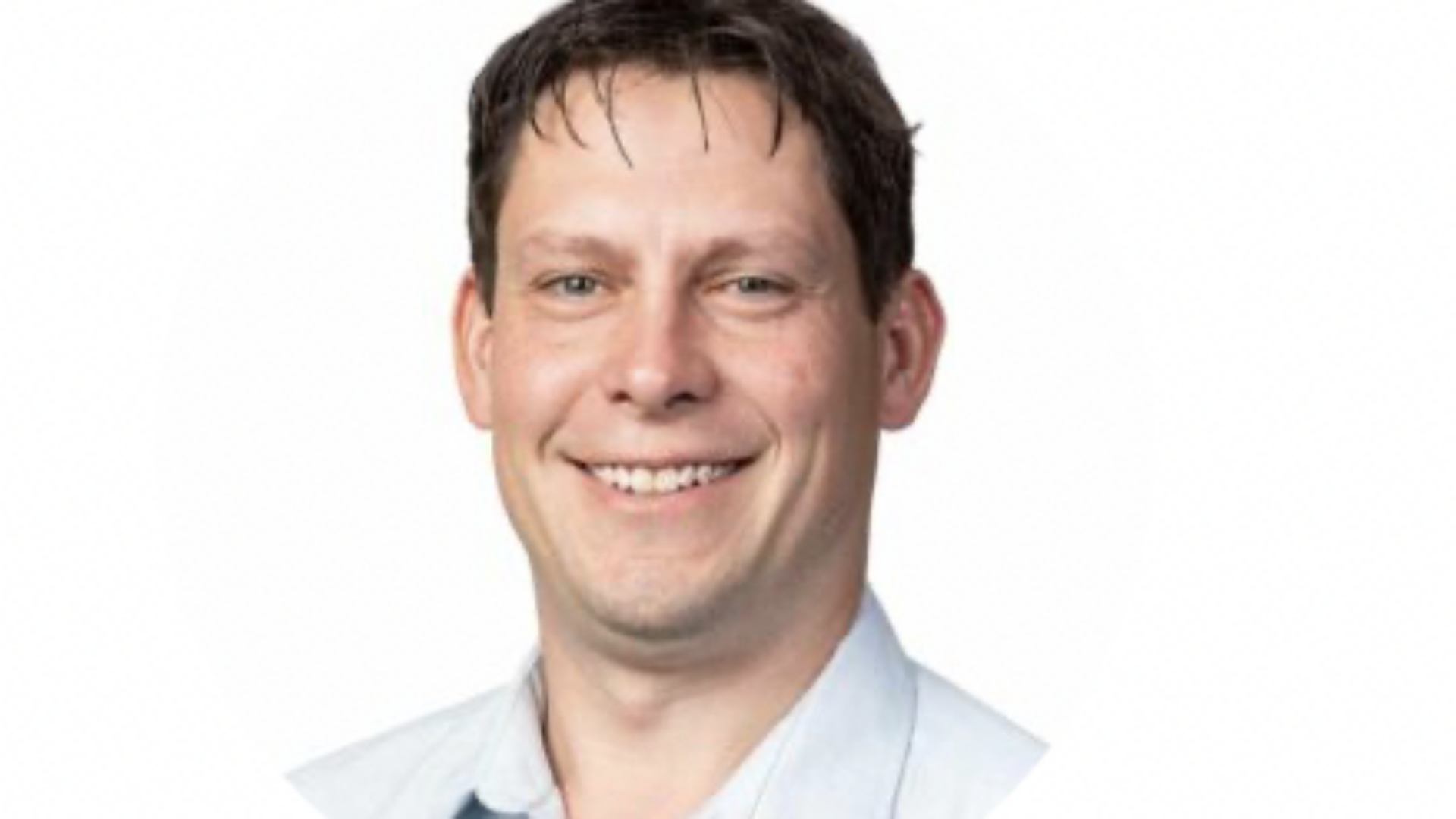
Combining his expertise in microbiology, immunology and computational biology, Assoc Professor Forster’s career research has focused on gaining a fundamental understanding of the ‘microbiome’ (microbial communities) that inhabit our bodies.
Forster has made key contributions to foundational technologies for studying the microbiome including world-first methods to grow bacteria from the human gut (Nature, 2016; Nature Biotechnology, 2019), methods to measure the microbiome (Bioinformatics, 2022), and ways to better model, understand and modify microbiome composition.
Associate Professor and CSL Centenary Fellow at the Hudson Institute of Medical Research and head of its Microbiota and Systems Biology group, Forster and his team use cutting-edge bacterial culturing, genomics and host-transcriptomics to build a strong knowledge base of the microbiome and translate breakthroughs into new therapeutic options for many conditions and diseases.
Forster says about his research (REF):
Fundamentally, my team’s research is about understanding the naturally occurring bacteria that we carry with us every day so we can protect and improve these communities and prevent disease. We do this by growing the bacteria in the laboratory to understand how they interact with each other and how they send messages that we can detect and how this impacts our health. Ultimately, we envision a day where you can take an optimized mix of bacteria to treat and prevent disease (Reference: CSL.com).
In 2018 Forster founded Adelaide biotech BiomeBank with gastroenterologists Dr Sam Costello (BiomeBank CEO), Assoc Prof Rob Bryant and infectious diseases physician Dr Emily Tucker – in collaboration with The Hospital Research Foundation – with the mission to treat and prevent disease by delivering live biotherapeutic products and restoring gut microbial ecology.
BiomeBank is now a clinical-stage company and world-leader in the development of rationally selected microbiome therapeutics.
In November 2022 BiomeBank received world-first market authorisation for a microbiome-based therapeutic when the TGA approved Biomictra™ – a first-generation donor-derived therapy whereby gut bacteria and other microbes of a healthy person are transplanted into another. Biomictra™ restores gut microbiota to treat recurrent Clostridioides difficile infection, the most common cause of health care associated diarrhoea and a debilitating condition with significant global unmet medical need.
The team at BiomeBank have also created the Consortiome™ – a rationally designed microbial co-culturing platform that can generate, in a bioreactor, an artificial human gut microbial community containing more than 90% of the known gene families found in a healthy microbiome.
The platform provides the ability to deliver therapies that have unprecedented, broad functional capability as well as highly targeted disease-specific function. It also eliminates the reliance on stool donors and enables the production of therapies at scale, to large markets and at a lower cost compared with other microbial products.
BiomeBank’s first co-cultured therapy, BB265, targeting ulcerative colitis and inflammatory bowel disease, will enter human trials in 2025.
Last November, the company’s new world-class cGMP manufacturing facility was opened in the heart of Adelaide’s BioMed City (ABMC) Innovation District – purpose-built to scale BiomeBank’s breakthrough cultured microbiome therapies and meet global demand for Biomictra™.